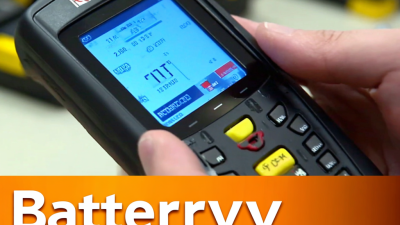
Choosing the right Battery Analyzer can feel pretty overwhelming, right? With so many options out there, it’s easy to get a bit confused. There are tons of features to keep in mind, and every model has its own perks and quirks. For example, aBattery Analyzer Tester? It doesn’t just measure voltage — it can also check the battery’s capacity and overall health, which is pretty handy.
One thing folks often overlook is how important accuracy is. Not all devices are super precise, and that can lead to some real headaches when managing batteries. Also, make sure to pick an analyzer that fits what you really need. Some are geared towards car batteries, while others work better with rechargeable batteries. Take a moment to really think about what suits your setup.
And yeah, pricing can be a bit tricky too. Just because a device costs a ton doesn’t necessarily mean it’s better. Sometimes, you can find affordable options that do the job just fine. Consider what’s most important to you — whether it’s portability, user-friendliness, or fancy features — and choose accordingly. Picking the right analyzer isn’t just about saving time; it also keeps your batteries healthy and lasts longer.
At the end of the day, the key is to find a reliable battery analyzer that actually works for you. Trust me, a little extra thought here and there can make a big difference in the long run.
Understanding the Importance of Battery Analyzers
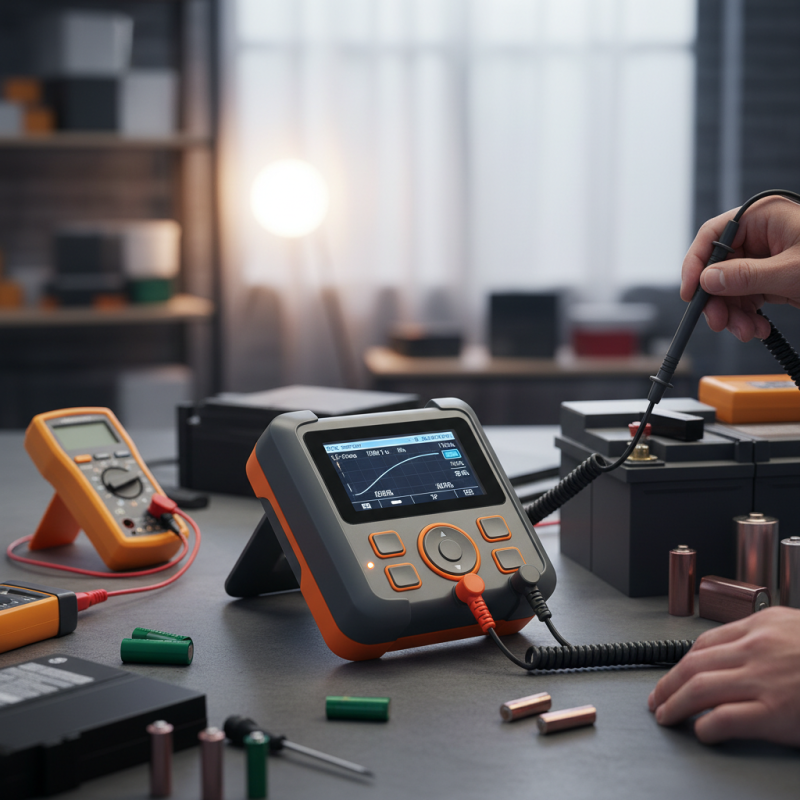
Battery analyzers play a crucial role in maintaining battery health. They provide insights into battery performance and lifespan. Understanding their importance can save time and money. A good analyzer helps in diagnosing issues early. Users can avoid unexpected failures and extend battery life.
These devices analyze various parameters, including voltage, capacity, and internal resistance. Knowing these details can enhance decision-making for replacements. Many users overlook this aspect, leading to costly mistakes. It is vital to choose one that fits specific needs. Without proper analysis, many continue using ineffective batteries. Testing and validating performance provide tangible benefits.
In choosing a battery analyzer, consider your requirements. Different applications may need different features. The complexity can be overwhelming, yet essential. Start with the basics and gradually explore more. Take time to evaluate different options, while learning from past experiences. Adjust your choices based on what you find works best for you.
Types of Battery Analyzers Available in the Market
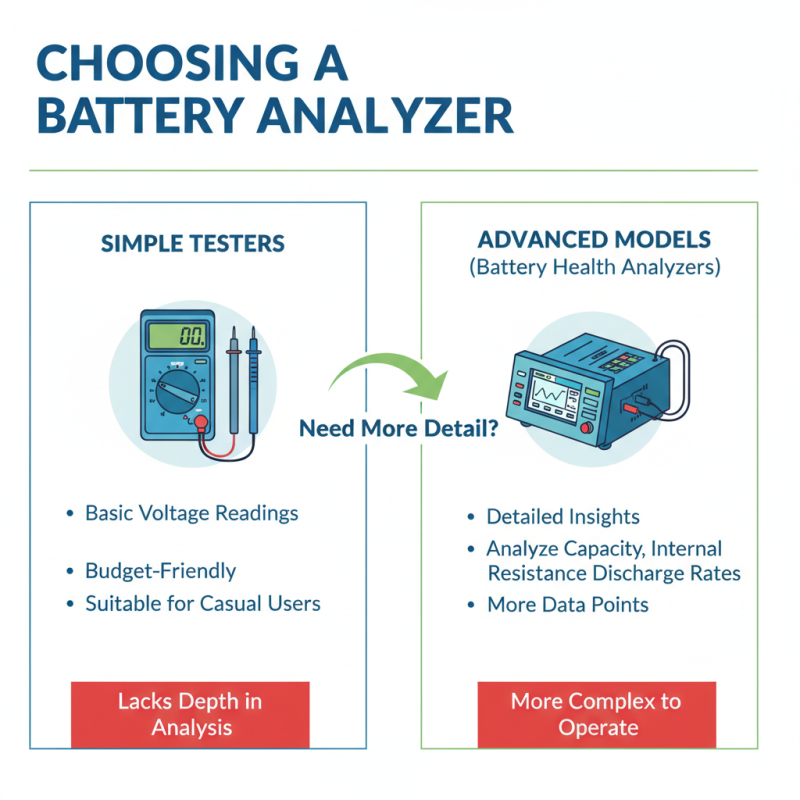
When choosing a battery analyzer, you have various types to consider. Some options are simple testers that provide basic voltage readings. These devices are budget-friendly and suitable for casual users. However, they may lack depth in analysis. If you need detailed insights, consider advanced models. These Battery Health Analyzers can analyze capacity, internal resistance, and discharge rates. However, they can be more complicated to operate.
There are also portable analyzers that boast travel-friendly designs. These units are handy for on-the-go users. Yet, their smaller format might sacrifice some features found in larger models. In contrast, stationary analyzers offer thorough assessments but require designated space. If ease of use is crucial, look for those with user-friendly interfaces. Consider how often you plan to use it, too, as some more sophisticated models may overwhelm novices.
A reflective approach is essential when selecting the right analyzer. Assess your needs and frequency of use. You want a tool that fits your lifestyle while providing meaningful insights. Remember, not every analyzer will suit every situation; be prepared to learn and adapt. The choice you make can significantly impact the health and longevity of your batteries.
Key Features to Consider When Choosing a Battery Analyzer
When selecting a battery analyzer, consider key features that will meet your needs. Accuracy is essential. An analyzer should provide precise readings of voltage, capacity, and internal resistance. Look for models with a clear display. A bright screen can make it easier to read data, especially in low light. Some analyzers also allow for different battery chemistries. This versatility can be important if you own various devices.
Portability is another factor to weigh. A lightweight and compact analyzer can be more convenient for on-the-go testing. Some users may appreciate a design that includes a protective case. This can prevent damage during transport, which is often overlooked. Additionally, check battery compatibility. Not all analyzers work with every type of battery. You wouldn’t want to purchase a device only to find it won’t support your specific batteries.
Battery analyzers can come with various extra features. Data logging could be useful for tracking performance over time. However, more features may mean a steeper learning curve. It’s vital to assess how much functionality you really need. Sometimes, simpler models can provide the essential data without the complexity. Reflect on what you're looking for; sometimes less is more.
How to Choose the Best Battery Analyzer for Your Needs? - Key Features to Consider When Choosing a Battery Analyzer
| Feature | Description | Importance |
| Voltage Range | The range of voltage the analyzer can measure; crucial for compatibility with various batteries. | High |
| Current Measurement | Ability to measure the discharge or charge current; vital for accurate performance analysis. | High |
| Battery Types Supported | Types of batteries the analyzer can test (e.g., Li-ion, NiMH, Lead-acid). | Medium |
| Data Storage | Whether it can store test results for future reference. | Medium |
| Ease of Use | User-friendly interface and clear instructions. | High |
| Display Quality | Quality of the display screen for easy readability. | Medium |
| Portability | Size and weight of the analyzer for easy transportation. | Medium |
| Price Range | Cost considerations relative to features offered. | High |
Evaluating Accuracy and Reliability of Battery Analyzers
When selecting a battery analyzer, accuracy and reliability are crucial. A good analyzer should provide precise readings. Look for devices that can measure voltage, current, and capacity without significant fluctuations. Some models may deliver erratic results, which can lead to misleading conclusions. Accuracy is essential for understanding battery health and performance.
Another factor to consider is how well the device handles different battery types. A comprehensive Computer Battery Analyzer can assess various chemistries, such as lithium-ion and lead-acid. Not all analyzers perform well across all battery types. Testing multiple batteries can reveal patterns. Observing how the analyzer reacts in real-world situations will help gauge its reliability.
Additionally, think about usability. Complexity can deter users. Some analyzers come with advanced features but require technical knowledge. A straightforward interface may be more beneficial for many users. It’s about finding the right balance between features and ease of use. Evaluate what really matters to you before making a purchase.
Understanding Measurement Parameters of Battery Analyzers
When selecting a battery analyzer, understanding measurement parameters is crucial. Different devices measure parameters like voltage, current, and capacity. A Lithium Battery Analyzer can help assess these measurements effectively. Focus on the analyzer's accuracy and precision. Some models might show discrepancies in readings. This can lead to misguided conclusions about battery health.
Another important aspect is discharge rates. The analyzer should handle various discharge conditions. Fast discharges versus slow ones can affect performance. Look for a model that provides both options. It's not uncommon for users to underestimate the importance of cycle life. Many fail to check how well their analyzer handles repeated tests over time.
Moreover, consider the connectivity features. Many analyzers offer data export capabilities. However, some users find the process challenging. A complicated interface can deter you from making optimal use of your device. Ultimately, it's essential to choose a Lithium Battery Analyzer that matches your specific needs and comfort level with technology. Exploring reviews and user feedback can shed light on potential issues.
Battery Analyzer Measurement Parameters
This chart illustrates the key measurement parameters of battery analyzers, including voltage, current, capacity, internal resistance, and temperature. Understanding these parameters is crucial for selecting the best battery analyzer for your needs.
Budgeting for Your Battery Analyzer Purchase
When budgeting for a battery analyzer, start by determining your actual needs. Analyze the types of batteries you will evaluate. Do you need advanced features, or will basic functionalities suffice? Understanding your requirements helps avoid overspending.
Consider the price range. Battery analyzers can vary significantly in cost. Some models offer basic testing for budget prices. Others provide more features but come at a premium. Assess how much you are willing to spend before browsing options.
Tips: Look for models that offer value features. For instance, some analyzers provide graphing capabilities and detailed reports. These can be helpful for deeper insights. Also, think about accessories. Extra cables or software may add to costs. Always consider these when finalizing your budget.
Reflect on user reviews. They can reveal hidden expenses or issues manufacturers may not advertise. Sometimes, a lower-priced model may require costly replacements down the line. Always weigh the long-term value against initial costs.
Reading Reviews and Comparisons of Popular Battery Analyzers
Choosing the right battery analyzer can be challenging. Many users rely on reviews and comparisons to guide their purchase decisions. Industry reports indicate that over 70% of consumers read online reviews before making their selection. This highlights the importance of informed decision-making in choosing tools like a Hybrid Battery Analyzer.
When evaluating popular battery analyzers, consider several key factors. Look for features such as discharge testing and cycle analysis. Some models offer advanced capabilities, including Bluetooth connectivity for data tracking. These features can significantly enhance user experience. However, not all analyzers provide consistent results. Inconsistencies in readings can lead to poor decisions regarding battery maintenance.
Reading user reviews often reveals strengths and weaknesses. Many users appreciate battery analyzers that are easy to use and provide accurate results. Yet, some find certain models complicated or lacking in functionality. It’s crucial to weigh the benefits against the drawbacks. A thorough comparison can help identify which features matter most for your specific needs. This approach ensures you find a tool that meets your requirements while avoiding potential pitfalls.
FAQS
: The product aims to enhance user convenience and efficiency in daily tasks.
The interface is designed to be intuitive, but some users may find it complex at first.
Yes, it is suitable for a wide range of users, but beginners might need some guidance.
Regular maintenance is recommended, ideally every few months to ensure optimal performance.
Users sometimes report connectivity problems. It's not consistent, but it can be frustrating.
Yes, a support team is available, but response times can vary.
It includes several features designed for versatility, but some may feel underutilized.
Follow the setup guide carefully, but be ready to troubleshoot a bit.
Yes, there are some limitations, particularly with advanced features that may not meet all needs.
Yes, user feedback is welcomed, but not all suggestions can be implemented.
Conclusion
Choosing the best battery analyzer involves understanding the critical role these devices play in evaluating battery health and performance. Battery analyzers come in various types, each suited for different applications, making it essential to identify the specific needs of your use case. When selecting a battery analyzer, key features such as measurement parameters, accuracy, reliability, and budget must be considered to ensure you make an informed decision.
Additionally, reading reviews and comparisons of popular models can provide valuable insights into the performance of different battery analyzers, helping you to select one that meets your requirements. Ultimately, investing in a high-quality battery analyzer can lead to better battery maintenance and longevity, making it a worthwhile addition to your toolkit.

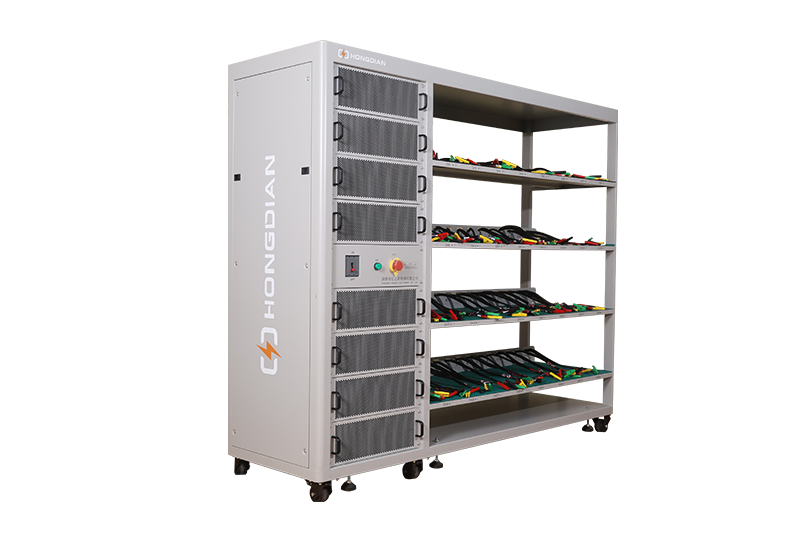 32/48 channel battery charging and discharging test integrated battery cabinet
  40 channel battery charging and discharging test integrated battery cabinet
  64 channel battery charging and discharging test integrated battery cabinet
 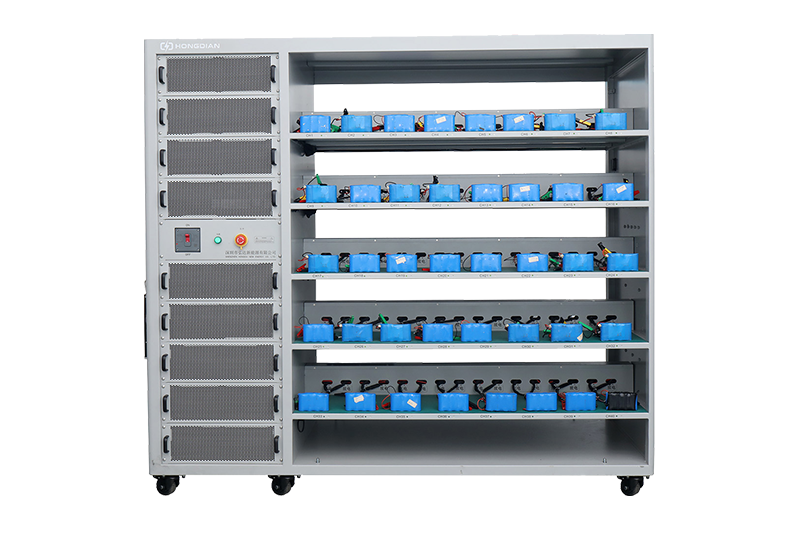 80 channel battery charging and discharging test integrated battery cabinet
 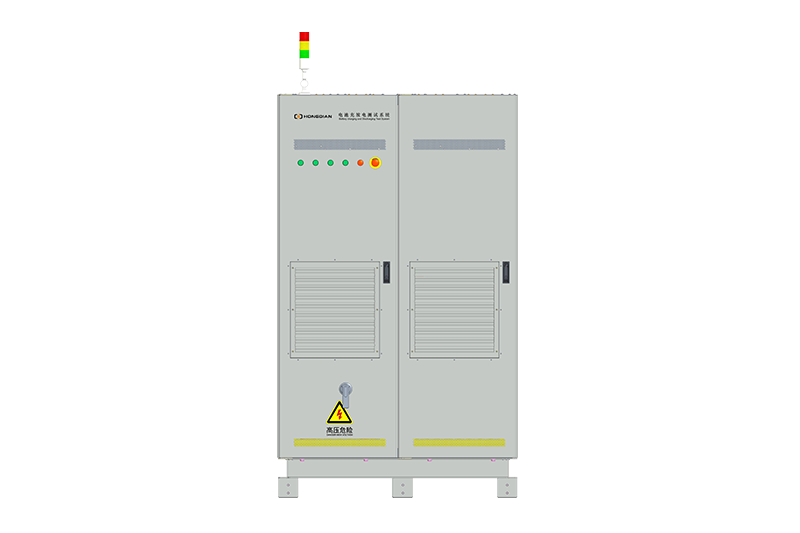 1000V-1500V High Voltage High Current Battery Testing System
 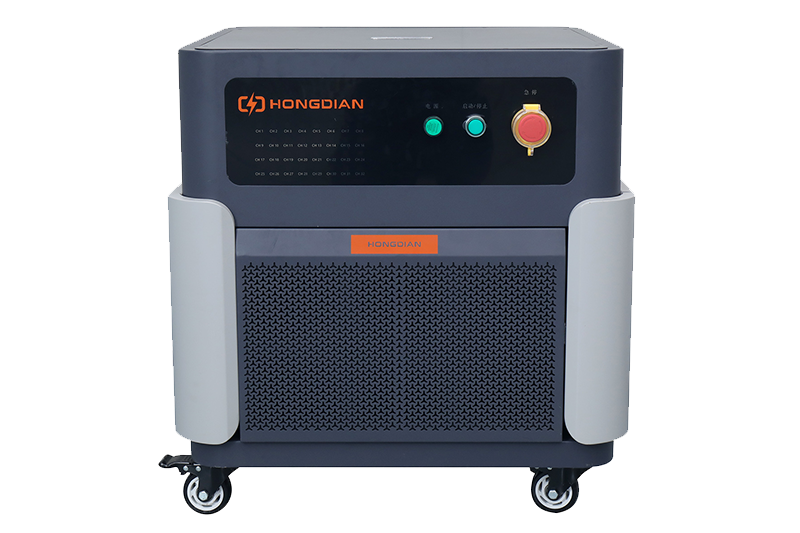 High-Precision Battery Testing System for Enhanced Performance Monitoring 30V/60V/100V/120V
 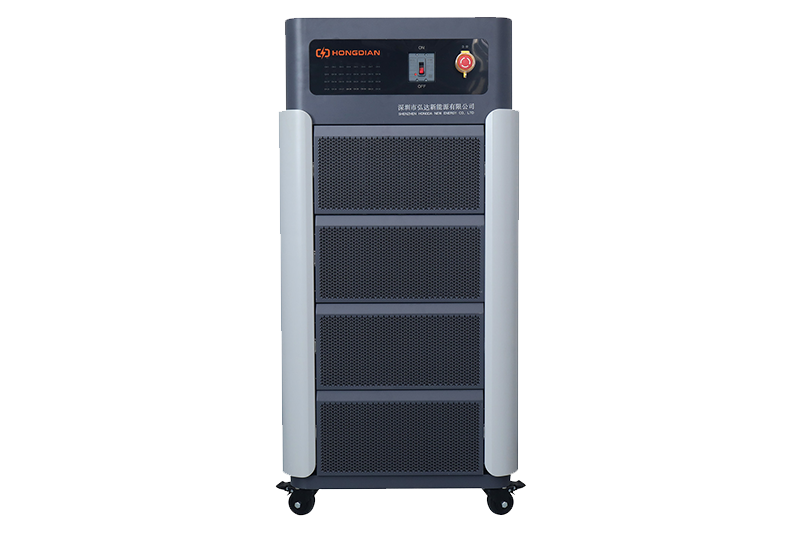 High-Precision Battery Charge Discharge Test Systems for EV Manufacturers
 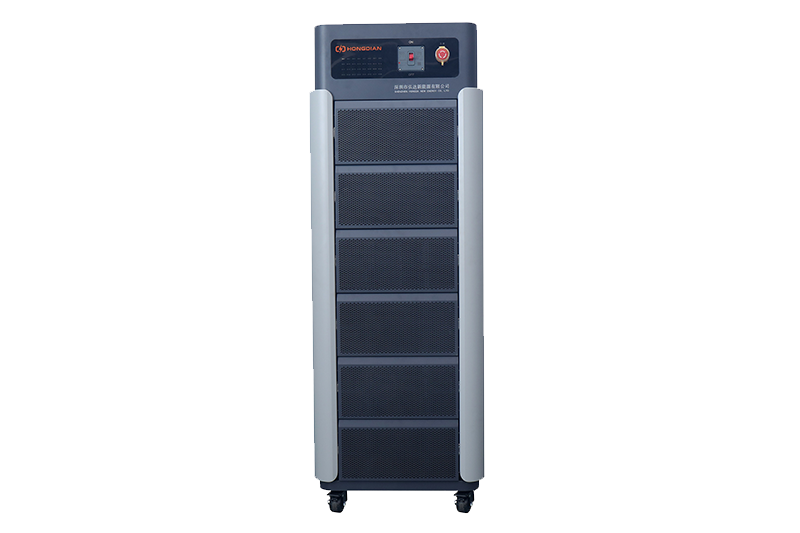 Precision Battery Test Racks for Cell Capacity & Internal Resistance Measurement
  Multi-Channel Battery Testing Equipment for Parallel Performance Analysis