request to quote
Leave Your Message
0%

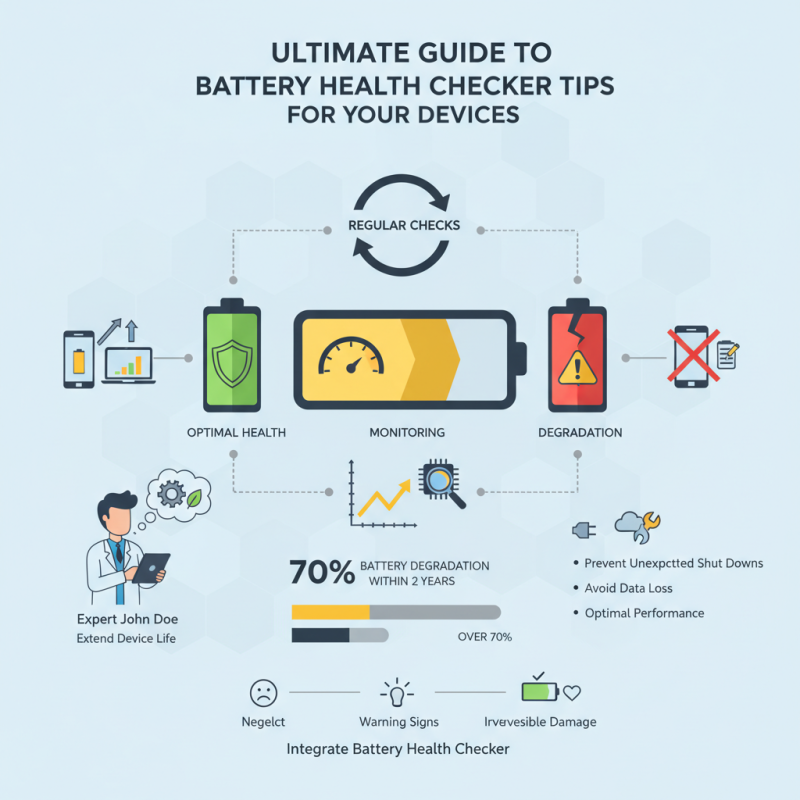
In today's tech-heavy world, taking care of our devices is more important than ever. You know how batteries slowly lose their juice over time? Well, having a good Battery Health Checker can really be a game-changer. According to reports from Battery University, more than 70% of smartphone users see their battery health drop within just two years—that's pretty wild, right? It really highlights why keeping an eye on your battery should be part of your regular routine.

John Doe, who’s pretty much an expert in battery tech, points out that "using a Battery Health Checker can seriously help extend your device’s lifespan." If you check your battery regularly, you might avoid those annoying unexpected shut downs or even data loss. Honestly, understanding how your battery’s doing isn’t just a nice-to-have—it's a must for anyone who wants a device that works smoothly.

A lot of folks don’t realize that ignoring these warning signs can cause permanent damage. Skip the early signs, and you risk ending up with a device that just doesn’t perform well anymore. So, making a habit of using a Battery Health Checker can really save you from bigger problems down the line. Regular checks can catch issues before they get out of control, helping your device stay in top shape for longer.

Ultimate Guide to Battery Health Checker Tips for Your Devices?

Understanding Battery Health: Importance and Impact on Device Performance

Battery health plays a critical role in the performance of your devices. A healthy battery ensures optimal functioning and longevity. When your battery deteriorates, you may experience slower performance, frequent crashes, and even unexpected shutdowns. Many users overlook these issues until it’s too late. Regular checks can prevent these frustrating experiences.

Understanding the implications of battery health can be quite informative. Factors like temperature fluctuations and charging patterns can impact overall battery life. Using a Battery Health Analyzer allows you to monitor these details effectively. This tool provides insights into your battery's condition and suggests necessary steps for improvement.

Neglecting battery health can be a costly mistake. Devices may run inefficiently, causing delays in everyday tasks. Many users often ignore warnings about battery deterioration. If you notice decreased charging speed or instability, it may be time for an inspection. Emphasizing awareness of battery health is crucial for anyone relying heavily on devices. Realizing that prevention is better than a fix can lead to a more reliable device experience.

Ultimate Guide to Battery Health Checker Tips for Your Devices

Device Type Battery Capacity (mAh) Current Health (%) Cycle Count Estimated Lifespan (Years)
Smartphone 3500 85 500 2
Laptop 5000 78 300 3
Tablet 6000 90 400 4
Wireless Earbuds 60 80 200 2
Smartwatch 300 75 250 3

Common Signs of Decreased Battery Health in Your Devices

Ultimate Guide to Battery Health Checker Tips for Your Devices?

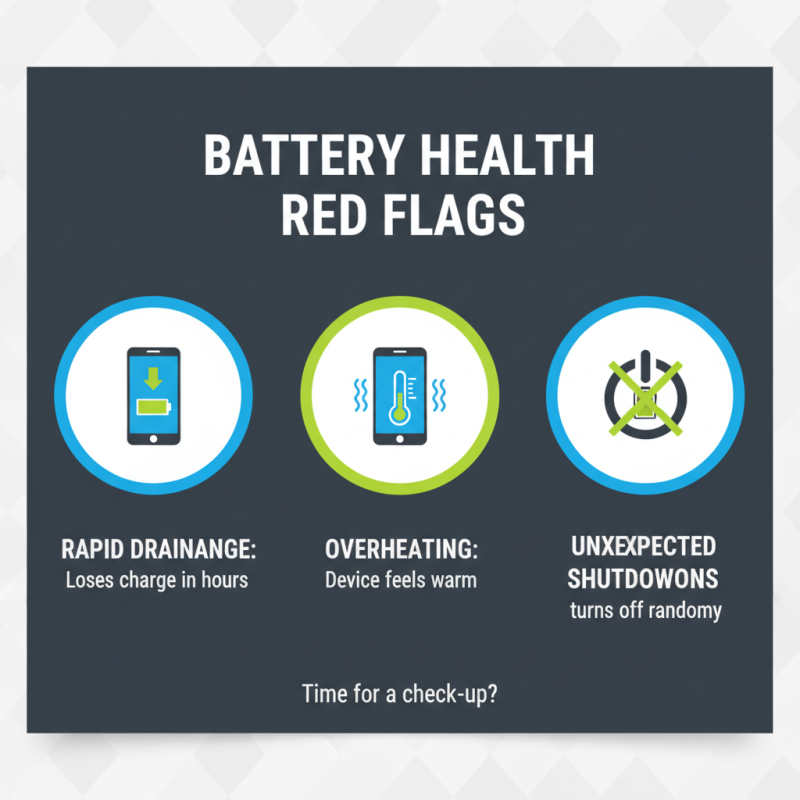
As devices age, battery health often decreases. Common signs of this decline include rapid battery drainage. If your device loses charge within hours, it’s a red flag. Another sign is overheating. A warm device can indicate a struggling battery. Additionally, if your device unexpectedly shuts down, it may be time to assess battery health.

To maintain better battery health, follow these tips. First, avoid extreme temperatures. High heat can diminish battery life. Keep devices stored in a cool place. Also, limit the number of notifications and background apps. These drain battery power quickly. You can even reduce screen brightness to save energy.

Pay attention to battery cycles. Each charge cycle wears down the battery. If you constantly have to recharge, reflect on your usage habits. Maybe you need to adjust them for longevity. Understanding these signs and implementing tips can help you maximize battery performance.

How to Use Built-in Tools to Check Battery Health on Smartphones

Checking your device's battery health is crucial for its longevity. Many smartphones offer built-in tools designed to assess battery performance. Typically, you can find these tools in the settings menu under battery options. The process is straightforward, but results may differ based on device usage and age.

Sometimes, the battery health checker might show percentages that seem alarming. A drop from 100% to 85% can feel significant. Yet, often, this is typical for older devices. Regular charging habits impact battery life, too. A "Battery Health Tester" can reveal how often deep discharges occur and if they are damaging your battery.

User experience fluctuates. Some find their battery health deteriorating faster than expected. Overcharging is a common culprit. Reading the numbers is important, but acting on them is more critical. It’s essential to adapt your charging habits for better battery longevity. Awareness of these facts encourages you to maintain your smartphone effectively.

Third-Party Apps for Comprehensive Battery Health Analysis

Ultimate Guide to Battery Health Checker Tips for Your Devices?

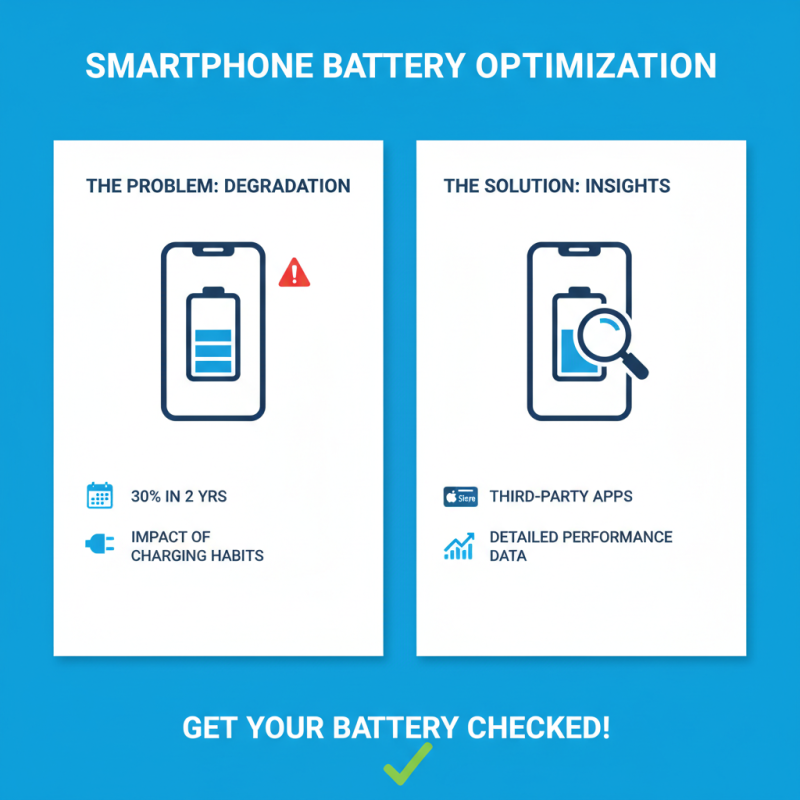
When it comes to assessing battery health, third-party apps can offer valuable insights. These applications specialize in Battery Health Testing, allowing users to get a detailed view of battery performance. Reports indicate that as much as 30% of smartphone users experience significant battery degradation within two years of ownership. Many may not realize the impact of charging habits on their batteries.

Using a reliable app can help monitor key metrics, such as charge cycles and capacity degradation. For example, a typical lithium-ion battery can lose about 20% of its capacity after 300 charge cycles. Understanding these statistics can guide users in maintaining optimal battery health. However, it’s essential to scrutinize the data provided. Not all third-party apps are created equal, and some may not deliver accurate assessments.

It's critical to review user feedback before choosing an app. Transparency in how the data is collected and presented is essential. Users should remain cautious and do their research. Even with these tools, achieving perfect battery health is often unattainable. Awareness and proactive management can extend lifespan, but users must adjust their expectations accordingly.

Best Practices for Maintaining Optimal Battery Health

Maintaining optimal battery health is essential for extending the lifespan of your devices. According to industry data, lithium-ion batteries, commonly used in smartphones and laptops, degrade by about 20% after 500 complete charge cycles. This decline can be slowed with a few simple practices.

One effective tip is to avoid extreme temperatures. Keeping devices between 20°C to 25°C is optimal. Heat can accelerate battery aging significantly. Moreover, charging your device to 100% or letting it fall below 20% frequently can contribute to battery wear. Some users may overlook this, leading to an average battery life of just two to three years.

Another crucial point is to manage your screen brightness. Lowering it can save battery life and reduce strain on the battery. A recent study showed that reducing brightness by 50% can extend battery life by up to 30%. Regularly checking battery health through built-in diagnostics can help identify issues early. However, many users ignore these alerts, risking unexpected device shutdowns. Balancing convenience and maintenance is a challenge that requires proactive effort.

What to Do When Your Battery Health is Poor

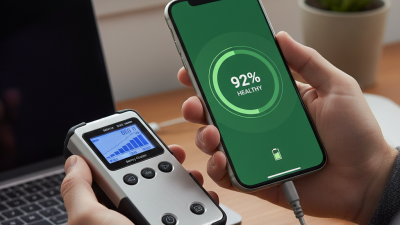
When your battery health is poor, it can be frustrating. Devices may shut down unexpectedly. Apps may crash, and your overall experience degrades. The first step is to check your battery health using a Lithium Battery Checker. This tool gives you a clear picture of the current status and capacity of your battery.

If your battery health shows significant degradation, consider these actions. Reducing screen brightness can help save energy. Closing unused apps also extends battery life. Ensure that power-hungry features are turned off. It’s easy to forget about location services or background app refresh. These can drain your battery faster than you realize.

Another important tip is to avoid extreme temperatures. Heat and cold can harm battery health. If your device gets warm while charging, it might be time to reassess the charger. You could also consider getting a replacement battery. Sometimes, it’s the only option. Reflect on the habits that might have caused the decline. This can help you improve your battery usage in the future.

Tips for Extending the Lifespan of Your Device's Battery

Maintaining your device's battery health is critical for optimal performance. Research shows that most lithium-ion batteries degrade over time. In fact, they lose about 20% of their capacity after 500 charge cycles. Here are some tips to extend your battery's lifespan.

One effective strategy is to avoid extreme temperatures. High heat can harm battery life significantly. Studies indicate that keeping devices between 20°C and 25°C (68°F to 77°F) is optimal. When charging, try not to let your device stay plugged in overnight. This practice can cause overheating and reduce overall battery capacity.

Another tip is to manage your charging habits. Aim for a charge level between 20% and 80%. This range helps to preserve battery longevity. Frequent deep discharges can stress the battery. Consider using battery saver modes during low-power situations. Also, be mindful of app usage. Background apps drain power and lead to faster battery wear. Regularly check for updates, as software optimizations can improve battery efficiency.

Battery Health Comparison of Different Device Types

This chart illustrates the average battery health percentage of various device types. As shown, smartphones tend to maintain higher battery health compared to laptops and other devices. Taking steps to extend battery lifespan is crucial for optimal performance.

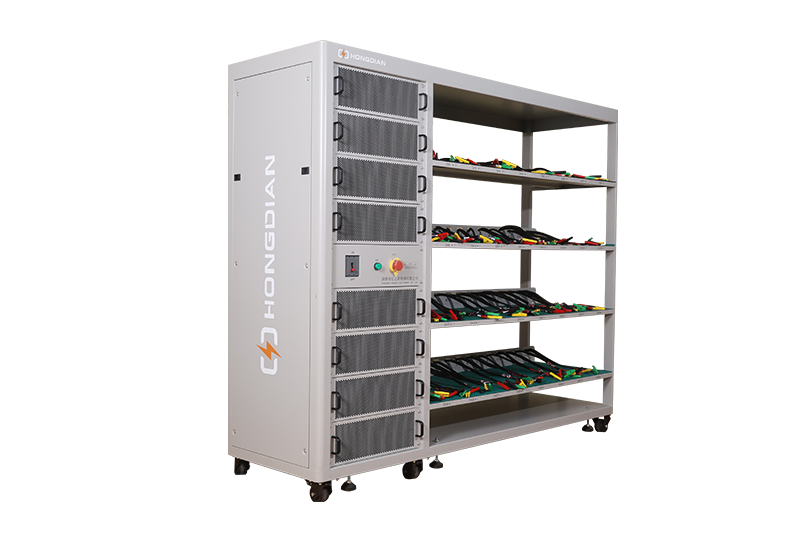
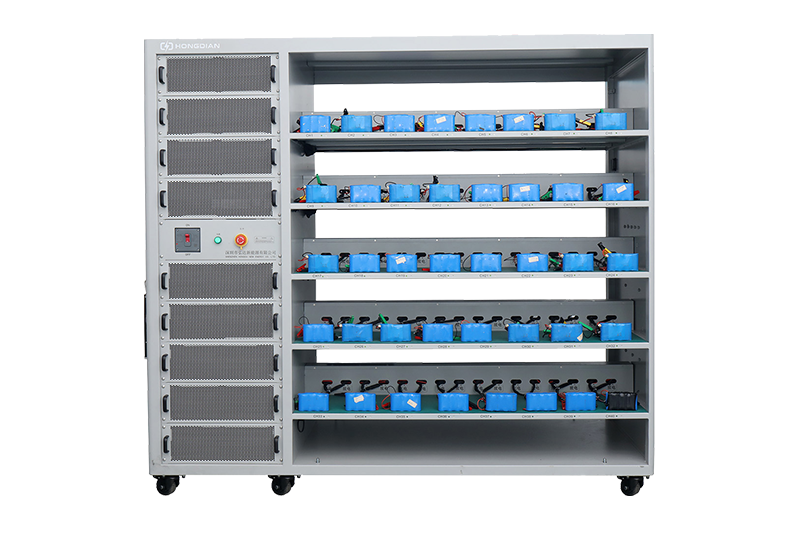
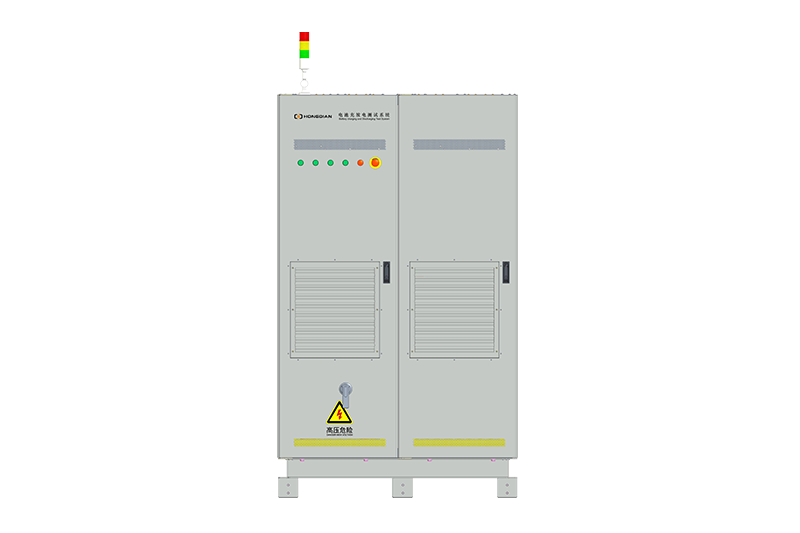
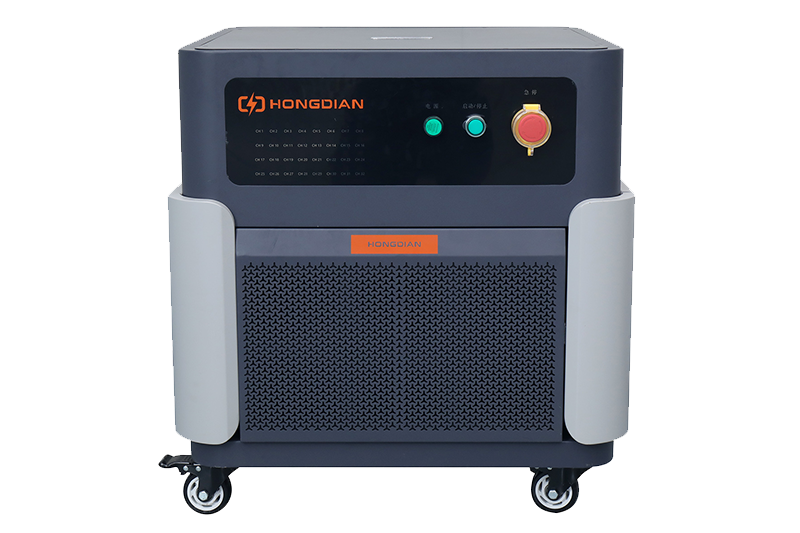
Optimizing Battery Performance: Insights from the 64-Channel Integrated Charging and Discharging Test Cabinet

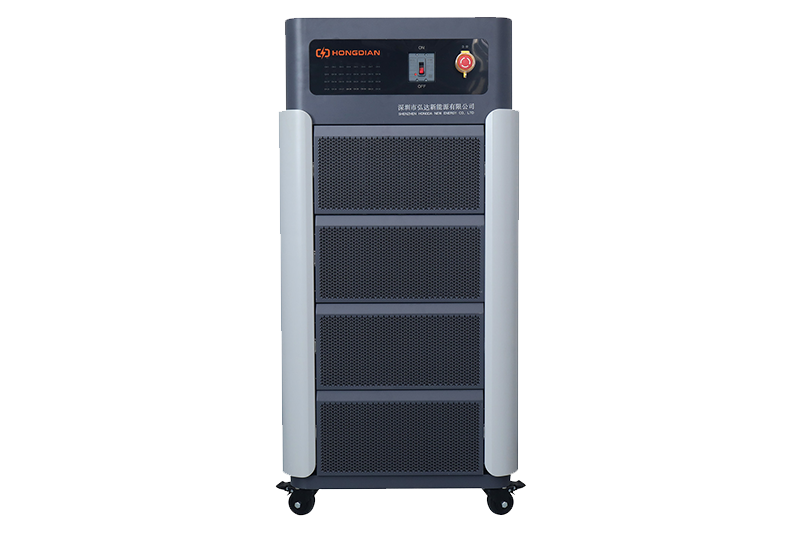
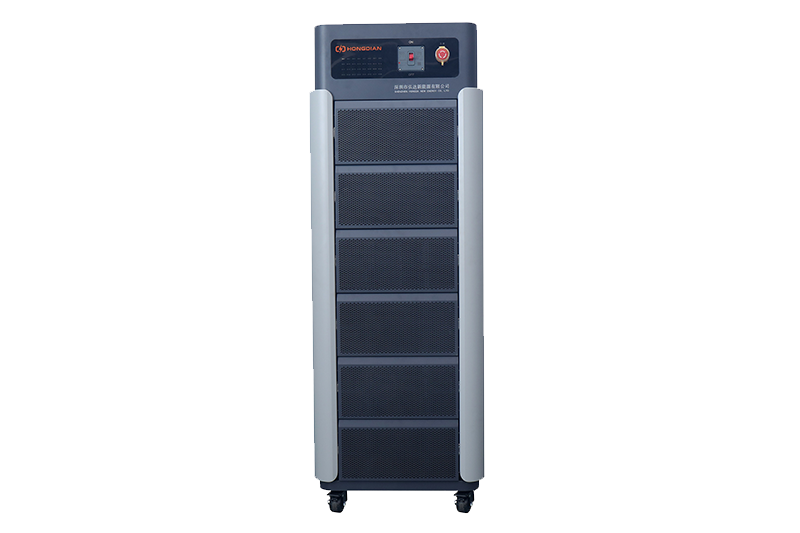
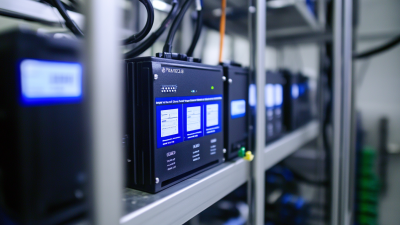
In the realm of battery development and optimization, the integration of advanced testing systems is crucial for achieving high performance and reliability. The 64-Channel Integrated Charging and Discharging Test Cabinet stands out as a pivotal solution, designed specifically for thorough evaluation of battery capabilities. This system utilizes a computer-controlled energy feedback mechanism that allows for precise monitoring and manipulation of charging and discharging cycles, ensuring that batteries are tested under realistic operational conditions.

The primary advantage of this testing system lies in its ability to simulate diverse energy scenarios that batteries may encounter in real-world applications. By efficiently cycling through various states of charge and discharge, researchers can gain valuable insights into the performance characteristics, lifecycle, and efficiency of battery systems. The detailed data obtained from such rigorous testing not only aids in optimizing battery design but also plays a critical role in advancing energy storage technologies. This targeted approach to Battery Testing ensures that improvements can be made systematically, contributing to the overall performance and longevity of batteries in various applications.

FAQS

: What is the main purpose of the product?

: The product aims to enhance daily convenience and improve productivity. It's designed for users with busy lifestyles.

How do I use this product effectively?

Follow the user guide for best practices. Familiarize yourself with each feature for optimal usage.

Can I return the product if I'm not satisfied?

Yes, returns are allowed within a specified period. Ensure the product is in original condition for a smoother process.

What are the main features?

Key features include user-friendly controls, efficient performance, and versatility. Each aspect contributes to better overall experience.

Is there customer support available?

Yes, customer support is accessible through various channels. Assistance is usually prompt but may vary in response time.

Are there common issues users face?

Some users report minor connectivity issues. It may require troubleshooting or updates to resolve them effectively.

How long does it take to receive the product?

Shipping times can vary based on location. Expect delivery within a few days to a couple of weeks.

Can I adjust settings according to my preferences?

Yes, the product offers customization options. Experiment with settings to find what works best for you.

Is the product suitable for all ages?

The product is designed for general use. However, supervision may be needed for young children.

What materials is the product made from?

The product is constructed from durable, high-quality materials. They are designed to withstand regular use over time.

Conclusion

Maintaining optimal battery health is essential for ensuring your devices perform at their best. Understanding battery health allows users to recognize its importance and the impact it has on device efficiency. Common signs of decreased battery health include rapid power drain and unexpected shutdowns. Utilizing built-in tools on smartphones can provide preliminary insights, while third-party apps offer more comprehensive battery health analysis.

To promote battery longevity, it's important to follow best practices, such as avoiding extreme temperatures and not allowing your battery to deplete fully. When experiencing poor battery health, users should take proactive measures, including calibrating the battery and possibly seeking replacements. Regular use of a Battery Health Checker can aid users in monitoring their device's battery status, ultimately extending its lifespan and enhancing performance.

Ethan

Ethan

Ethan is a dedicated marketing professional at Shenzhen Hongda New Energy Co., Ltd., where he has been instrumental in expanding the company's reach and enhancing its brand presence globally. With a deep understanding of the company's innovative products, Ethan plays a crucial role in the strategic......
Previous Unlock Global Opportunities with Acid Battery Testers at the 137th Canton Fair